

The benefits of therapeutic exercise: Improving health and wellness
Therapeutic gymnastics, also known as medical or restorative gymnastics, is a specialized form of physical exercise designed to improve health, restore function and enhance overall wellness. Unlike conventional fitness programs, therapeutic fitness is tailored to address specific medical conditions, injuries or physical limitations, making it a key component of many rehabilitation programs. This article explores the principles, benefits and applications of therapeutic fitness.
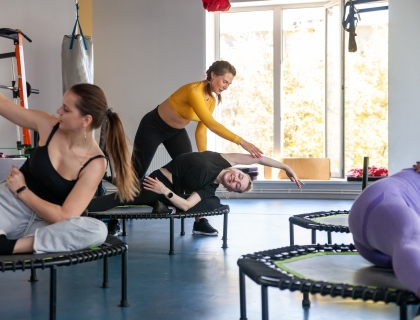
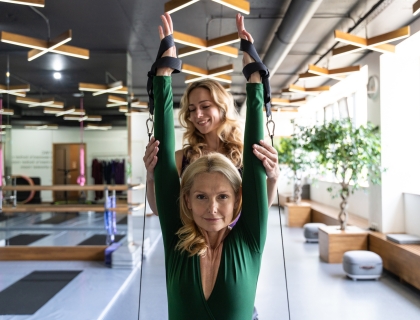
What is Therapeutic Gymnastics?
Therapeutic gymnastics involves a series of controlled and targeted exercises aimed at improving physical function, reducing pain and promoting recovery. These exercises are often prescribed by health professionals, such as physiotherapists or doctors, and are tailored to meet the individual needs of each patient. Exercises can range from simple stretching and strengthening movements to more complex activities requiring balance and coordination.
Prevention strategies
Personalisation: Each therapeutic exercise program is tailored to the specific needs, abilities and goals of the individual. This ensures that the exercises are both safe and effective.
- Progress: The exercises are designed to progress in difficulty as the individual's strength and abilities improve. This gradual increase helps prevent injury and promotes steady improvement.
- Functionality: The emphasis is on improving the functional movements necessary for daily activities. This includes enhancing flexibility, strength, balance and coordination.
- Consistency: Regular practice is vital to achieve the desired results. Consistency helps build muscle memory, improve endurance and maintain progress.
Benefits of therapeutic gymnastics
Pain relief: Therapeutic gymnastics can help relieve pain caused by various conditions, such as arthritis, back pain and post-operative rehabilitation. Specific exercises can reduce inflammation and improve joint mobility.
- Improving mobility: Regular exercise increases flexibility and range of motion, making it easier to perform everyday tasks and reducing the risk of falls and injuries.
- Enhanced strength and endurance: Strengthening exercises improve muscle tone and endurance, which are vital for overall physical health and resilience.
- Better balance and coordination: Balance exercises help prevent falls, especially in older people or people recovering from injuries. Improved coordination is beneficial for all age groups.
- Psychological benefits: Engaging in regular physical activity has been shown to reduce stress, anxiety and depression. Therapeutic exercise can boost mood and improve mental well-being.
- Accelerate recovery: For people recovering from surgery or injury, therapeutic exercise can speed up the healing process by promoting circulation and preventing muscle atrophy.
Applications of therapeutic gymnastics
- Restoration: Therapeutic gymnastics is widely used in rehabilitation programmes for conditions such as strokes, spinal cord injuries and orthopaedic surgery. Customized exercises help restore function and independence.
- Chronic diseases: People with chronic conditions such as arthritis, osteoporosis and chronic obstructive pulmonary disease (COPD) can benefit from tailored exercise programmes that manage symptoms and improve quality of life.
- Geriatric care: Seniors can use therapeutic gymnastics to maintain mobility, strength and balance, reducing the risk of falls and improving overall health.
- Sports rehabilitation: Athletes recovering from injuries can use therapeutic gymnastics to regain strength, flexibility and performance levels safely.
Therapeutic gymnastics is a valuable tool for enhancing physical health and well-being. By combining personalized exercises with professional guidance, individuals can achieve significant improvements in mobility, strength and overall quality of life. Whether you are recovering from an injury, managing a chronic condition, or simply want to maintain good health, therapeutic exercise offers a safe and effective solution.
Frequently asked questions
Therapeutic gymnastics is a specialized form of physical exercise designed to improve health, restore function and enhance overall wellness. It involves controlled and targeted exercises tailored to address specific medical conditions, injuries or physical limitations.
Therapeutic gymnastics can benefit a wide range of people, including those recovering from injury or surgery, managing chronic conditions such as arthritis or osteoporosis, children with developmental disorders, older people who want to maintain mobility and balance, and athletes recovering from sports injuries.
Unlike regular exercise, therapeutic gymnastics is tailored to the individual needs of each patient. It focuses on specific functional movements, gradual progression and safety to address specific medical conditions or physical limitations.
To start therapeutic gymnastics, it is necessary to consult a health professional such as a physiotherapist or doctor. They will perform an assessment to determine the appropriate exercises and intensity level for your condition.
Therapeutic gymnastics can include a variety of exercises, such as stretching, strengthening, balance training and coordination exercises. The specific exercises will depend on your individual needs and goals.
The frequency of the exercises will depend on the specific condition and your treatment plan. In general, consistency is key, so exercises should be performed regularly as recommended by your healthcare professional.
 English (UK)
  Ελληνικά