
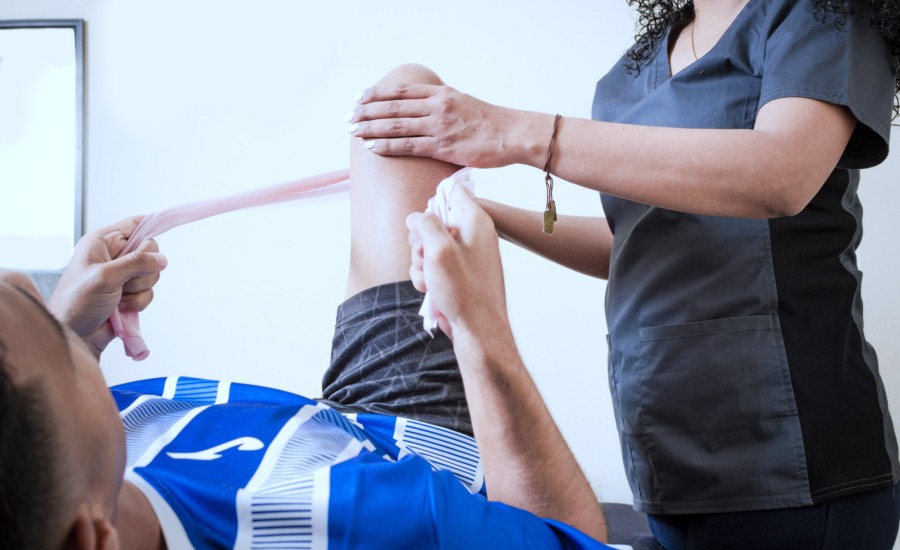
Understanding of sports injuries
Sports injuries can significantly affect athletes and active individuals, disrupting their routine and affecting their performance. A comprehensive approach to sports injury treatment can facilitate a quick and effective recovery, allowing you to return to your activities stronger and more resilient. Here's an overview of what to expect from specialist sports injury treatment.
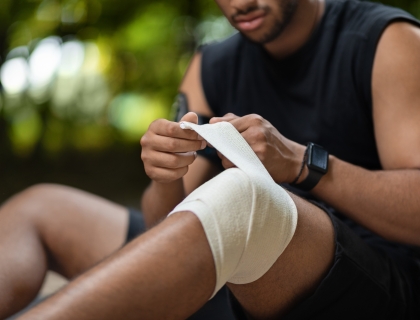

Common sports injuries that are treated
- Torsions and sprains: Injuries to ligaments (sprains) and muscles or tendons (strains) are common in sports and can vary in severity.
- Fractures: Broken bones often result from high impact activities or falls and require careful management and rehabilitation. Tendinitis: Inflammation of tendons due to overuse or repetitive motion, usually affecting the shoulders, elbows, knees and Achilles tendon.
- Disaggregations: They occur when the bones move out of their normal position, often affecting the shoulders and knees.
- Runner's knee: Pain around the kneecap often caused by repetitive strain from running or jumping activities.
- Anterior compartment syndrome: Pain along the length of the tibia bone, usually due to repetitive strain or overuse, common in runners and dancers.
Initial assessment
A thorough evaluation is the first step in the treatment of sports injuries.
This includes:
Review of medical history: Understanding of injury history, previous injuries and overall health.
- Physical examination: Evaluation of the affected area for swelling, tenderness, range of motion and strength. Evaluate radiographs, MRIs, ultrasounds and other diagnostic imaging for a more complete diagnosis
Personalised treatment plan
Based on the assessment, an individualized treatment plan is developed, which may include:
Management of acute injuries: It often includes rest, ice, compression and elevation (PRICE protocol).
Manual therapy: Hand techniques such as massage, joint mobilization and myofascial release to relieve pain and improve mobility.
Therapeutic exercises: Customized exercises to restore strength, flexibility and function. This may include stretching, strengthening and balance exercises.
Advanced methods: Use of ultrasound therapy, electrical stimulation and heat/cold therapy to enhance healing and relieve pain.
Taping and Bracing: Provide support to injured areas to prevent further injury and aid recovery.
Training and advice: Teaching proper techniques, posture and body mechanics to prevent new injuries and improve performance.
Rehabilitation and recovery
Rehabilitation focuses on restoring full functionality and preparing for a safe return to sports. The key elements include: restoring health:
Progressive strength training: Gradually increase the intensity of the exercises to develop strength and endurance.
Sports exercises: Customized exercises and drills that mimic the requirements of your specific sport to ensure readiness for the return.
Therapeutic exercises: Customized exercises to restore strength, flexibility and function. This may include stretching, strengthening and balance exercises.
Functional training: Improving overall fitness, coordination and agility through integrated training programmes.
Monitoring progress: Regular assessments to monitor rehabilitation and adjust the treatment plan as needed.
Back to sport
Returning to sport is a critical phase of recovery. It includes:
- Classified return protocols: Starting with light exercises and gradually increasing the intensity.
- Proactive strategies: Implement strategies to reduce the risk of future injuries, such as strengthening weak areas, improving flexibility and using appropriate techniques.
- Continuous support: Provide ongoing guidance and support to maintain peak fitness and prevent new injuries.
The treatment of sports injuries aims not only to heal the current injury, but also to improve overall performance and reduce the risk of future injuries. By following a structured and comprehensive approach, athletes can achieve a successful and sustainable return to their sport.
Frequently asked questions
He treats a wide range of sports injuries, including sprains, strains, sprains, fractures, tendonitis, dislocations, dislocations, runner's knee and shin splints. Our comprehensive approach ensures effective treatment and rehabilitation for all types of sports injuries.
Diagnosis begins with a thorough evaluation, which includes a medical history, physical examination and, if necessary, diagnostic imaging, such as X-rays, MRIs or ultrasound scans, to obtain a detailed picture of the injury.
The first visit includes an initial assessment where medical history is reviewed, a physical examination is performed and symptoms and goals are discussed. This information helps to develop an individualized treatment plan tailored to specific needs.
An individualized treatment plan is a personalized approach to rehabilitation that includes acute injury management, manual therapy, therapeutic exercises, advanced methods and education. The plan is designed to address the unique condition and support rehabilitation and return to sport.
Recovery time varies depending on the type and severity of the injury, as well as the general state of health and adherence to the treatment plan. Minor injuries may heal within a few weeks, while more serious injuries may require several months of consistent treatment and rehabilitation.
 English (UK)
  Ελληνικά